Contents
- What Is a Scam?
- I think I've been scammed, what can I do now?
- Types of Scams
- Housing Scams
- Currency Exchange & Tuition Fee Scams
- Online Scams
- Student Loans Scams
- Bank Transfer Scams
- UK Visa Scams
What is a Scam?
A scam is when someone tricks you into giving them money, personal information, or access to your bank account. Scammers often pretend to be people or organisations you normally trust. For example your landlord, the University, your bank, or even the Home Office.
If something has happened that doesn’t feel right, or you think you might have been scammed, you’re not alone. Students contact the SRC Advice Centre about scams every week, and we can help you work out what’s happened and what to do next.
Below you’ll find information about common types of scams and how to avoid them.
I think I’ve been scammed – what can I do now?
- If you think you’ve been scammed, the first thing you should do is contact Police Scotland and report this as a crime. You can do this by dialling 101 or by using their online contact form.
- If you sent the scammer money via bank transfer, contact your bank as soon as possible, as they may be able to reverse the transfer or recover some of your money.
- If you are facing financial hardship as a result of being scammed, you may be eligible to apply for the University’s Discretionary or Financial Support Funds.
- If you are at risk of homelessness as a result of being scammed, please contact the SRC Advice Centre, who can help you source emergency accommodation.
- If your studies have been affected, you may wish to consider submitting an Extenuating Circumstances claim.
- Falling victim to a scam or fraud can be extremely stressful. We encourage any affected students to seek support from the University’s Counselling Service.
Further advice on scams and fraud
Police Scotland have additional guidance on other types of scams and how to avoid them on their website.
Types of Scams
Housing Scams

Unfortunately some landlords/letting agents advertise properties that don’t actually exist or ask students for large amounts of money before disappearing and never contacting them again. In order to help protect you against falling for one of these scams we’ve created a check list of things you should do before you sign a contract for a flat or hand over any money.
The SRC Advice Centre can check over your tenancy agreement before you sign up for new accommodation and we'd always recommend you get in touch with us before you sign or transfer any money to a new landlord/letting agent.
Currency Exchange & Tuition Fee Scams

International students in particular are often targeted by scammers offering to arrange tuition fee payments at favourable currency exchange rates.This can be attractive to students as the scammer is essentially offering the student a way to pay less for their tuition fees. The students are often asked to transfer the total amount owed for their fees to the scammer in a currency other than pounds sterling.
The scammers may then make payments to the student's tuition fee account with stolen or fraudulent credit cards or bank details, or may not make a payment to the University at all and alter a receipt to make it look like they have paid the student's fees.
Students may also receive fake (“phishing”) emails or texts to their personal or University accounts about outstanding fee payments.
How can I avoid this type of scam?
If someone approaches you offering to pay your tuition fees at a reduced or more favourable currency rate, then this is almost certainly a scam. You should arrange to pay your tuition fees yourself or via a friend or family member.
I’ve been scammed – what should I do now?
Online Scams

One of the most common online scams students approach us for advice with is "Phishing". This usually involves you receiving an email claiming to be from a legitimate organisation or company, encouraging you to click a link, give personal information or pay money. The purpose of the scam is either to encourage you pay the scammer money, collect personal data about you for use in other fraudulent activities, or to trick you into downloading malware to your device.
How can I avoid this type of scam?
Unfortunately, these types of fake emails are getting more convincing all the time. But there can be some signs that an email isn’t genuine, so look out for:
- If the email references an amazing, time-limited offer or has wording like ‘click here/now’ – encouraging you to respond quickly
- If the email doesn’t use your name – perhaps they don’t really know who you are
- Check the email for any spelling and grammar mistakes (though phishing emails are getting more sophisticated than they used to be)
- If the images or design look familiar but don’t feel quite right. If the email claims to be from a particular company or organisation, check their website to see if the images or logo match.
- If the email has come from an unusual email address – it might look similar, but does it really match the official company’s email address? You can check this on the organisation’s official website.
- If the email contains wording which encourages you to click on an unknown link – if you’re not sure, visit the organisation’s website directly rather than clicking through
- If the email contains a request for you to share personal data
You should never follow or click links in suspicious emails or texts.
If you receive a suspicious email to your University email address you can report this to the University here.
If you receive what appears to be a suspicious email, you should block the email sender.
I’ve been scammed – what should I do now?
Student Loans Scams

Some phishing scams target students as the scammers pretend to work for the Student Loans Company Student Awards Agency Scotland (SAAS) or Student Finance England (SFE). They may email you about a “problem” with your student loan, and may tell you to expect a phone call. They will try to persuade you to disclose personal financial information such as your bank account details, password or PIN.
How can I avoid this type of scam?
If you receive an email from SAAS, SFE or the Student Loans Company and you aren’t completely sure it’s come from them, you should contact them via the official contact details on their website.
You can also try logging in to your online SAAS, SFE or SLC account to check the status of your student loan.
It is very unusual for either SAAS, SFE or the Student Loans Company to email you to tell you to “expect a phone call from them”. If you receive this type of email it is most likely a scam, but you can check if this is a legitimate email by contacting them via the official contact details on their website.
I’ve been scammed – what should I do now?
Bank Transfer Scams
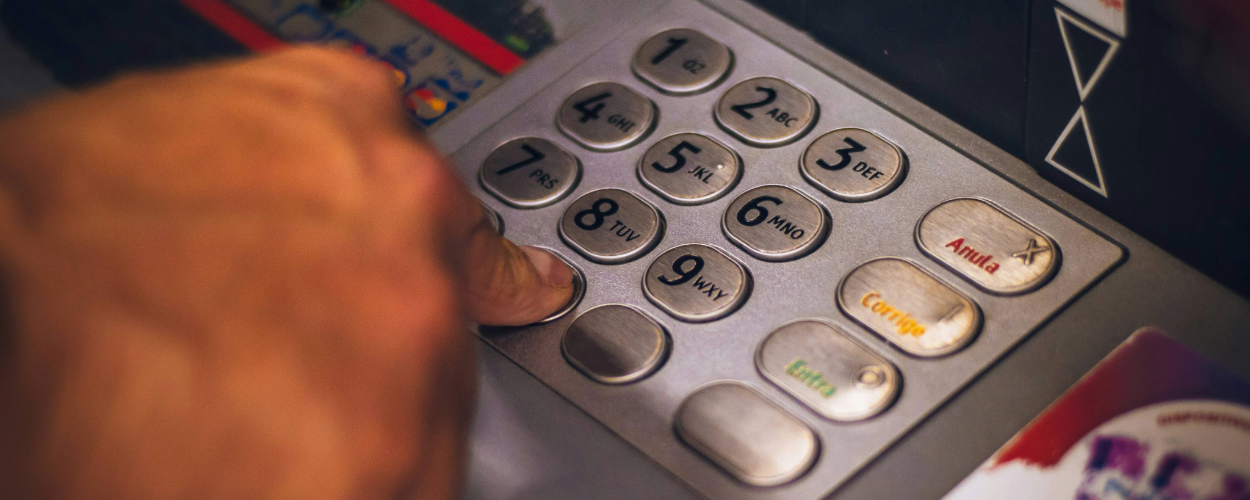
Scammers may try to trick you into helping them move money or assist in a criminal activity by:
- letting them use your bank account (for example, asking you to ‘hold’ some money for them in your account)
- asking you to receive parcels for them
- asking you to provide cash in exchange for a bank transfer payment (or to make a bank transfer in exchange for cash)
- asking you to buy or sell cryptocurrencies for them.
Scammers may approach you directly, on social media or gaming platforms or may claim they are a student who needs help, for example, to pay a deposit for a flat.
How can I avoid this type of scam?
If you are approached by someone who asks you to let them use your bank account, receive a parcel for them, make a bank transfer on their behalf, or purchase or sell cryptocurrency on their behalf, you should refuse.
Even if you know this person or consider them to be a friend, you should always think twice before agreeing to do any of the above, as they may be trying to scam you.
If you've sent money to someone via a bank transfer and think it might be a scam, you should get in touch with your bank as soon as possible. The sooner you contact them the more likely they are to be able to stop the transfer and recover your money.
I’ve been scammed – what should I do now?
UK Visa Scams

Some international students are targeted by scammers pretending to be calling from UK Visas and Immigration or another legitimate organisation, demanding payment of fees for a “problem” with your visa, threatening severe consequences if payment is not made (e.g. that your visa will be cancelled).
The caller may be convincing because they have some limited information about you (e.g. your phone number, name, the course you are studying). In some instances the call may even appear to be from a telephone number associated with UKVI. Some scammers are able to "spoof" the telephone number of official organisations such as UKVI. This is where they use technology to make it appear like they are calling from an "official" telephone number.
How can I avoid this type of scam?
As this type of scam is perpetrated by the scammer calling or texting you, it’s hard to stop them from contacting you at all. If you do receive this type of contact you should be aware that UK Visas and Immigration do not issue financial penalties.
If you receive this type of call (or a similar contact by any other means, for example, email or text):
- Do not give the caller/sender any personal information, and do not confirm that any information they have is correct.
- Do not make any payment. The Home Office does not issue financial penalties.
- You may wish to tell the caller/sender that you know about the fraudulent contact they are making, and that you will be reporting it to the police and the Home Office. Or you may simply wish to hang up.
- Report the incident to the incident immediately to the Police
I’ve been scammed – what should I do now?
Back to top